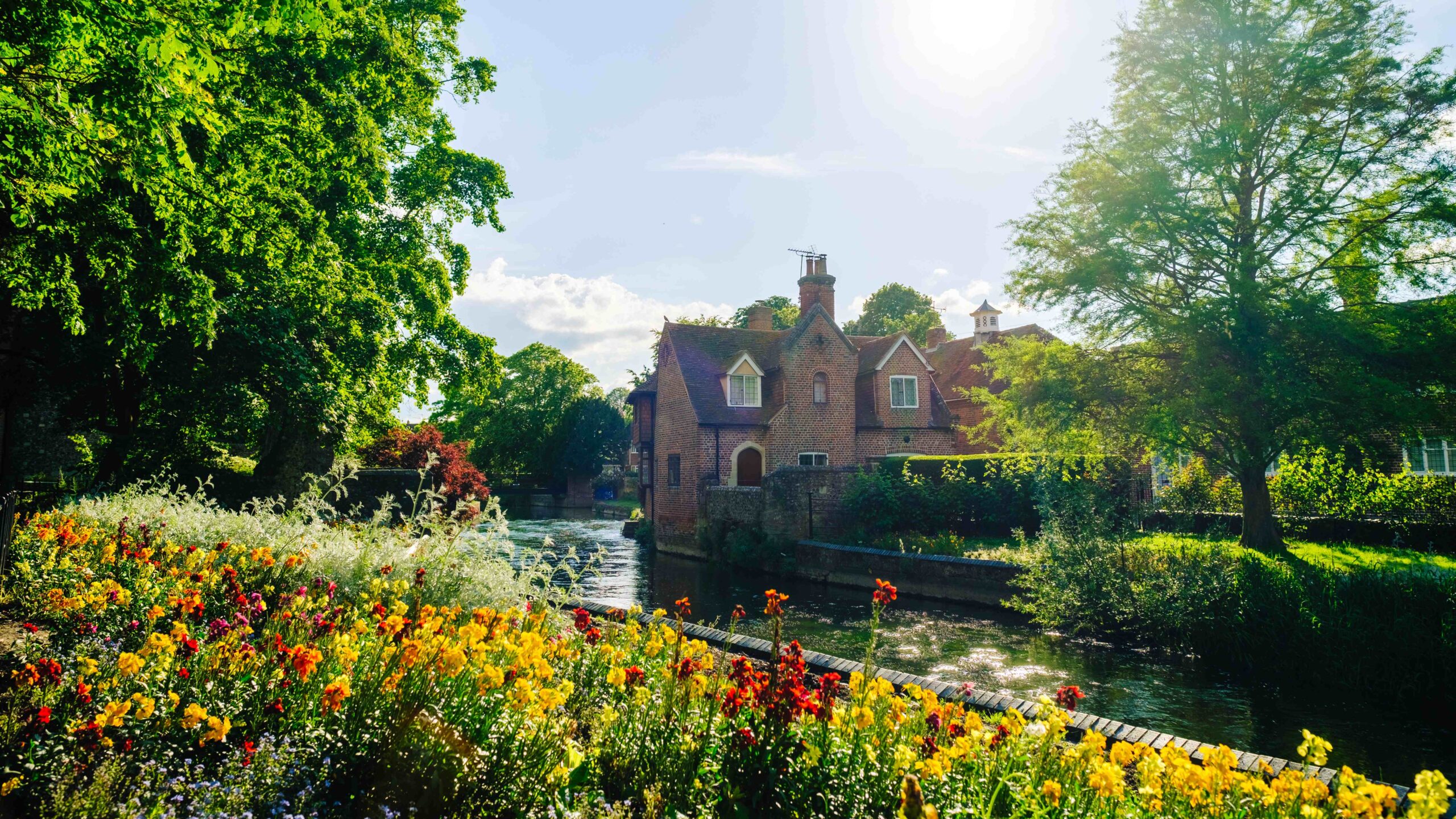
Chiddingstone is a small village in Kent with a strong sense of history and place. It is known for its preserved Tudor character, quiet rural setting and close connection with some of the most attractive countryside in the area. The wider parish includes Chiddingstone, Chiddingstone Causeway, Chiddingstone Hoath and Bough Beech. Together, these places form a varied part of Kent where old buildings, village lanes, church history, local legend and wildlife sit close together.
Chiddingstone is often described as one of the finest surviving examples of a Tudor village in England. Much of the village has been preserved with unusual care, and the National Trust owns a large part of it. This gives Chiddingstone a rare visual unity. The village does not feel like a place that has been rebuilt many times over. It feels like a settlement where the past has remained visible.
A Village with Tudor Character
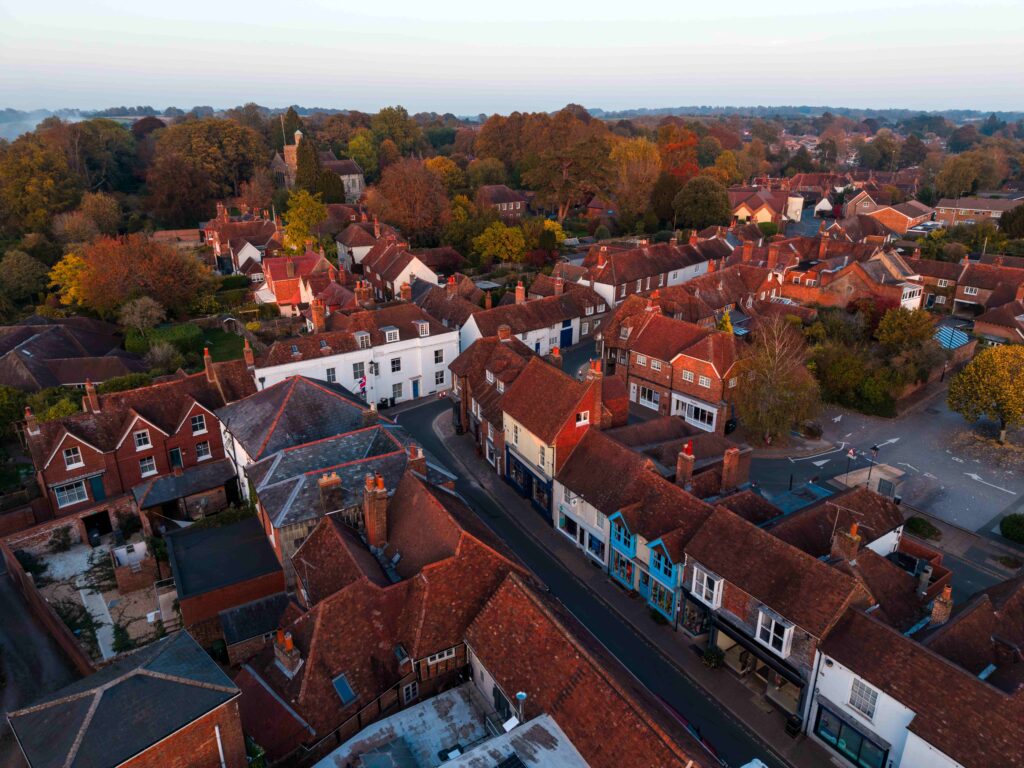
The appeal of Chiddingstone begins with its appearance. The village is compact, calm and easy to explore on foot. Its old houses, narrow roads, and traditional materials create an atmosphere that feels very different from that of a modern commuter village.
The Tudor character shapes the whole experience of the place. Timber, brick, stone, pitched roofs and quiet frontages give Chiddingstone a strong historic identity. For visitors interested in English village life, Chiddingstone offers a clear example of how architecture can preserve local memory. A short walk through the village gives a strong impression of rural Kent as it once looked, while remaining a living place rather than a museum.
The Chiding Stone
One of the most distinctive features of the village is the Chiding Stone. This large sandstone rock formation is closely tied to local tradition and gives Chiddingstone part of its name. According to legend, the stone was once used as a seat of judgment. Local stories suggest that people could be brought there to be corrected or publicly reprimanded. The tradition is unusual, and whether taken as history or folklore, it adds a memorable layer to the village.
St Mary’s Church
St Mary’s Church is another important part of Chiddingstone’s heritage. It is a sandstone church with Grade II listed status and may be the fourth church built on the same site. That long continuity makes it one of the most significant historic places in the village.
The churchyard contains a mausoleum built in 1736 by Henry Streatfeild. It leads down into the family vault and includes an unusual system of airflow through vents placed in two false altar tombs. This detail connects the church closely with the Streatfeild family, one of the important names in the local history of Chiddingstone.
The church also has a dramatic past. In 1624, it was almost destroyed by a lightning fire. Its survival adds to the sense that Chiddingstone’s buildings have lived through many different periods of change.
Chiddingstone Castle
Chiddingstone Castle is one of the main historic attractions in the area. Its origins go back to the early 1500s, and it was long associated with the Streatfeild family.
In the early nineteenth century, Henry Streatfeild rebuilt the house to resemble a medieval castle. This gave the building its distinctive appearance and linked it to the romantic architectural taste of the period.
The castle later passed through several different uses. It was sold to Lord Astor in 1938, used by military forces during the Second World War, and later became Long Dene School until the school closed in 1954.
Today, Chiddingstone Castle adds scale and variety to a visit. It connects the village with family history, wartime history, education and heritage tourism.
Bough Beech Reservoir
Bough Beech Reservoir brings a different kind of attraction, especially for visitors interested in wildlife and the outdoors. The reserve at Bough Beech is known as one of the notable birdwatching places in the South East. It is also a good place for a family day outdoors, with butterflies, wildflowers, ancient trees and waterside views.
Wildlife found in the area includes toads, dragonflies and great crested newts. This makes Bough Beech a useful contrast to the historic centre of Chiddingstone. A day in the parish can include both village heritage and quiet time in nature.